
Lavern’s Law New York: Your Rights in Delayed Cancer Diagnosis
Over 2,000 New Yorkers gain extended claim time yearly. Learn how Lavern’s Law New York protects delayed cancer diagnosis victims and your rights.

Over 2,000 New Yorkers gain extended claim time yearly. Learn how Lavern’s Law New York protects delayed cancer diagnosis victims and your rights.

You have rights after anesthesia awareness. Discover if medical malpractice occurred and how to pursue your claim.

Every year, thousands of Americans face a devastating outcome. A surgical instrument remains inside their body after an operation. Experts estimate this serious error occurs in 1 out of every 700 to 1 out of every 7,000 surgeries. This specific type of medical mistake is shockingly prevalent. It causes significant harm to patients right here in the Bronx. Key Takeaways Retained surgical items (RSIs) occur in 1 out of every 700 to 1 out of every 7,000 surgeries, despite being classified as ‘never events.’ Surgical sponges are the most common item left inside patients, causing significant post-operative complications and requiring additional medical procedures. Victims of
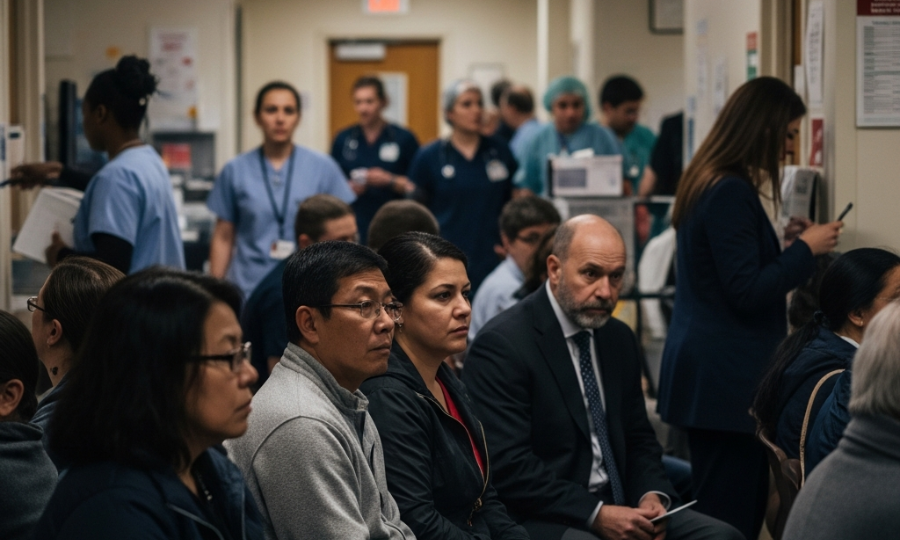
Queens ER Overload: Understaffing and Delays Threaten Patient Safety Reports indicate that average wait times in many New York City emergency rooms often exceed three hours. This statistic highlights a serious problem. Also, it directly impacts patient care and safety. Patients in Queens frequently experience these lengthy delays. Understaffing in these critical medical facilities creates significant risks. Key Takeaways Average emergency room wait times in New York City often exceed three hours, increasing the risk of medical errors and worsened patient outcomes. Understaffing in Queens ERs contributes to over 100,000 preventable medical errors annually nationwide, directly impacting patient safety. Patients harmed by ER negligence in

When you seek care at a hospital, you trust medical professionals will provide competent treatment. Unfortunately, thousands of patients in New York City experience preventable harm each year. While a bad medical outcome is always distressing, a truly negligent act by a hospital can lead to severe, lasting injuries or even death. Understanding the distinction between an unfortunate incident and actionable hospital negligence is crucial for any injured patient. Key Takeaways Hospital negligence in New York City occurs when a hospital or its employees fail to meet the accepted standard of care, leading to patient harm, affecting thousands annually. Proving hospital negligence requires establishing four

New York consistently leads the nation in medical malpractice claims and payouts. This trend highlights the critical need for patients to understand their rights. Many injured individuals feel overwhelmed and uncertain about their next steps. Key Takeaways New York consistently reports over 16,000 medical malpractice claims annually, placing it among the top states for case volume. Medical malpractice payouts in New York often surpass a national average of $350,000 due to complex legal factors and the absence of non-economic damage caps. The standard statute of limitations for filing a medical malpractice claim in New York is 2.5 years from the date of injury. Proving medical

New York stands apart from most states. It offers a critical advantage for victims of medical negligence. Specifically, our state has no medical malpractice damage caps. This means a jury can award full compensation for your injuries. This applies even if those damages reach millions of dollars. For individuals suffering from a brachial plexus injury, this distinction is incredibly important. These severe injuries often require extensive, lifelong care. Key Takeaways New York has no medical malpractice damage caps, meaning victims of negligence, especially those with severe injuries like brachial plexus, can pursue full compensation, potentially reaching millions of dollars for lifelong care. Lifelong care for

When a birth injury occurs, families face immense challenges. These challenges include medical appointments, therapies, and emotional distress. Often, the legal aspect feels overwhelming. However, understanding the statute of limitations in New York is crucial for securing justice. Key Takeaways New York’s standard medical malpractice statute of limitations is 2.5 years from the date of malpractice or end of continuous treatment. For birth injury claims involving minors, New York law imposes an absolute 10-year limit from the date of the malpractice, even with infancy tolling. Cerebral palsy diagnoses, often delayed until a child is 1-3 years old, can significantly reduce the remaining time to file

A surgeon’s demanding schedule directly impacts patient safety. Many people do not realize the immense pressure surgeons face daily. This pressure can lead to critical errors. One study shows that fatigue contributes to 15% to 20% of serious medical errors. Understanding these factors helps protect your well-being. Understanding a Surgeon’s Daily Demands Doctors spend long hours in the operating room. However, their day extends far beyond surgery itself. Surgeons handle extensive pre-operative consultations. They meticulously review complex patient histories. Also, they manage detailed post-operative care and follow up. This extensive workload profoundly impacts their stamina. The complexity of each surgical procedure varies greatly. A routine

New York City hospitals face numerous medical malpractice claims each year. Tragically, medical errors contribute to over 250,000 deaths nationwide annually, making them a leading cause of death. This alarming statistic highlights the serious risks patients face. You deserve safe and competent medical care. When systemic failures within a hospital cause harm, victims have clear legal options. This article explores the underlying issues behind these serious claims. We discuss how these problems lead to preventable patient injuries. Key Takeaways Medical errors contribute to over 250,000 deaths annually nationwide, making them a leading cause of death. Studies show a direct link between nurse staffing levels and